
Assigned Resources (M6)

READ:
Olena Hankivsky and Julia S. Jordan-Zachery (2019) “Introduction: Bringing Intersectionality to Public Policy,” The Palgrave Handbook of Intersectionality in Public Policy
(Access on eclass)
BIO

Before being appointed Chair in Women’s Health and Director of the Centre for Health Equity at the University of Melbourne, Olena Hankivsky was a Professor at Simon Fraser University in Vancouver. She is a leading expert on intersectionality in Health Research, Gender Policy, Inequity, Health Policy, and Social Policy
BIO
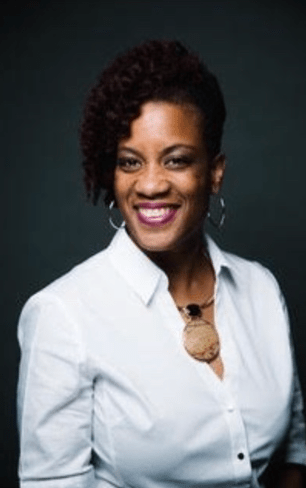
Julia Jordan-Zachery is Professor and Chair of the Women’s, Gender, and Sexuality Studies Department at Wake Forest University in Winston/Salem, North Carolina, and a specialist on Black feminism and public policy.
Before you start reading:
Scan the chapter. Take note of the title and section headings.
READ:
Clark, Natalie. 2012. “Perseverance, Determination and Resistance: An Indigenous Intersectional-Based Policy Analysis of Violence in the Lives of Indigenous Girls.”
(Access on eclass or here)

BIO
Natalie Clark is Professor and Co-Chair of the School of Social Work and Human Service at Thompson Rivers University. Research interests include violence, trauma, youth health and wellness within an Indigenous and intersectional framework, and community-based participatory research projects. Dr. Clark’s interconnected identities include Settler, Secwepemc and Metis kinship.
In this article, Clark develops the Intersectionality-based Policy Analysis Framework (IBPA) introduced in this module further into an Indigenous Intersectionality-based Policy Analysis Framework (IIBPA).
While you read, consider:
- Which aspects of the IBPA does Clark take into account?
- Why does she consider an Indigenous Intersectionality-based policy analysis framework neccessary?
- How does the IIBA differ from the IBPA?



 UNIVERSITY OF ALBERTA WGS 498/GSJ 598